

EXPLOSION PROOF SIGNAGE FOR HAZARDOUS ENVIRONMENT APPLICATION
- Aglotel

- Jun 19
- 1 min read

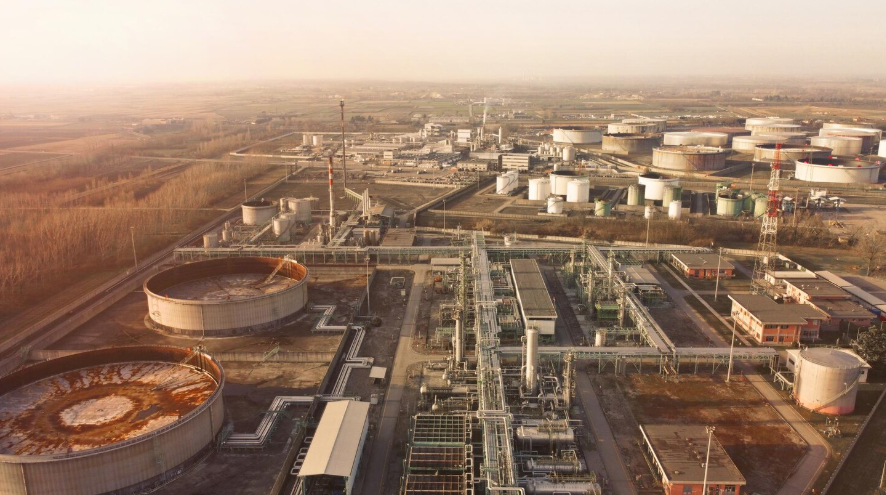
Explosion-proof (Ex-proof) signage for hazardous environments involves specialized, robust signs and lights (like ATEX/IECEx certified) that prevent ignition, guiding evacuation in areas with flammable gases, dust, or vapors (Zones 1, 2, 21, 22) in places like chemical plants, oil refineries, and mines. Key features include anti-spark tech, flameproof enclosures, high visibility (green/white, photoluminescent), emergency backup, and compliance with standards (NFPA, OSHA, BS EN ISO 7010) for clear hazard communication and safe egress.
Key Applications & Locations
Chemical Plants & Refineries: To mark storage and processing areas for flammable substances.
Oil & Gas Facilities: Offshore platforms, drilling sites.
Mining: Underground areas with explosive dust.
Storage Facilities: For hazardous materials.
Confined Spaces: Where explosion risk is high.
Types & Features
Emergency Exit Signs: Often combo units with emergency lighting, green/white, with directional arrows.
Hazard Warning Signs: Pictograms (flame, corrosive) and text warnings (e.g., for NFPA 704).
Anti-Spark and Flame Proof Designed to contain sparks and prevent ignition.
High Durability: Copper-free aluminum, impact-resistant lenses, IP65 (dust/water ingress protection).
Backup Power: Built-in batteries for emergency operation (e.g., 180+ mins).
Certifications: Must meet ATEX, IECEx, UL, or local standards (like Malaysia's UBBL).
Standards & Compliance
ATEX/IECEx: European/International standards for explosive atmospheres.
OSHA/NFPA 704: US standards for hazard communication and labeling.
BS EN ISO 7010: For graphic safety signs and signals.
Installation & Placement
Entry Points: At entrances to hazardous zones.
Storage Units: Affixed to the units or surrounding structures.
Clear & Unobstructed: Easily visible and contrasting with surroundings.



Comments